
Lambityeco means "Lambi", it is a Zapotec corruption of the word "alembic" which surely refers to the ovens where salt water was boiled, "pityec" means mound in Zapotec. Lambytieco is then translated into Zapotec as "alembic mounds".
The few vestiges discovered indicate that the occupation of Lambytieco occurred between the years 600 BC and 800 AD. It had its maximum apogee between the years 700 and 750 AD, coinciding with the gradual abandonment of Monte Albán. Due to its salt production, in that time, it was considered an important city within the Zapotec market.
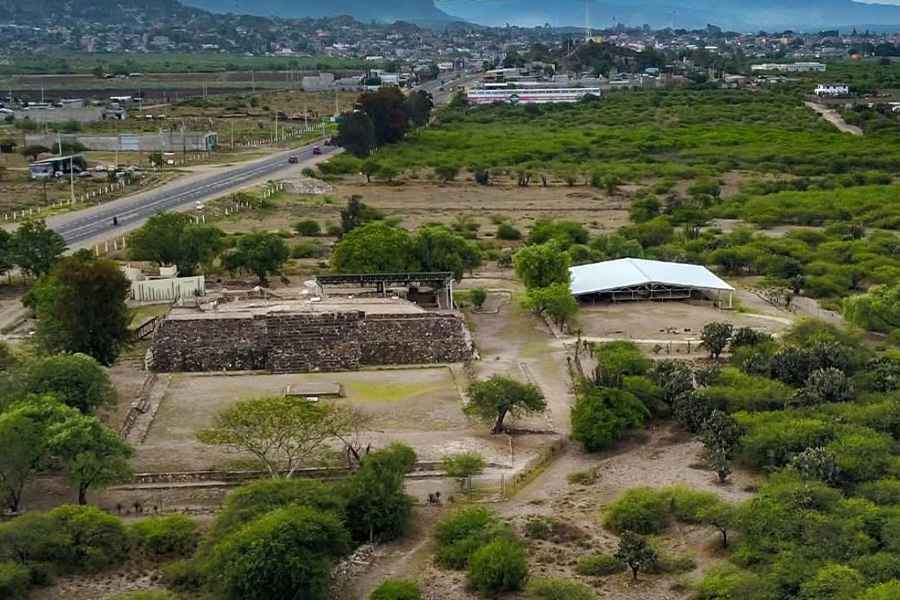
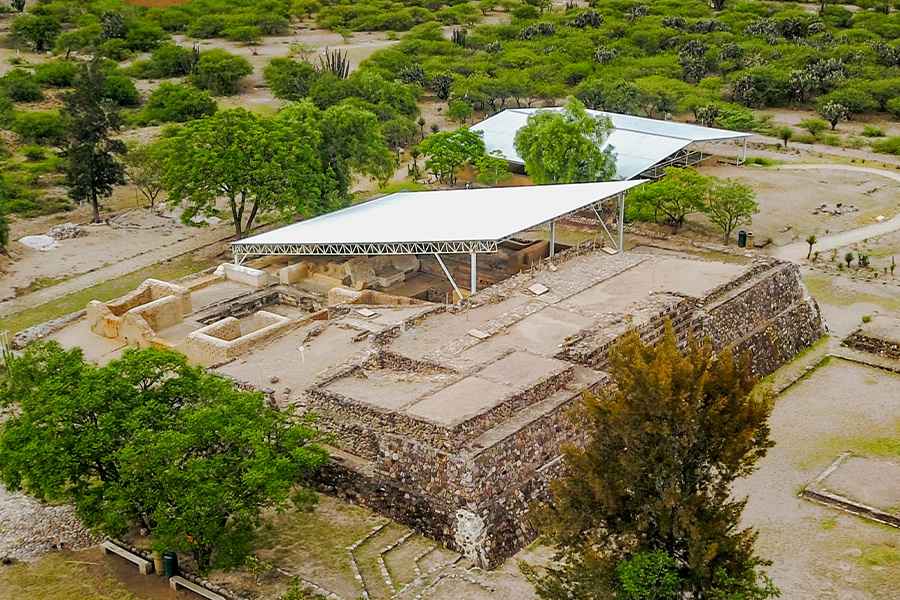
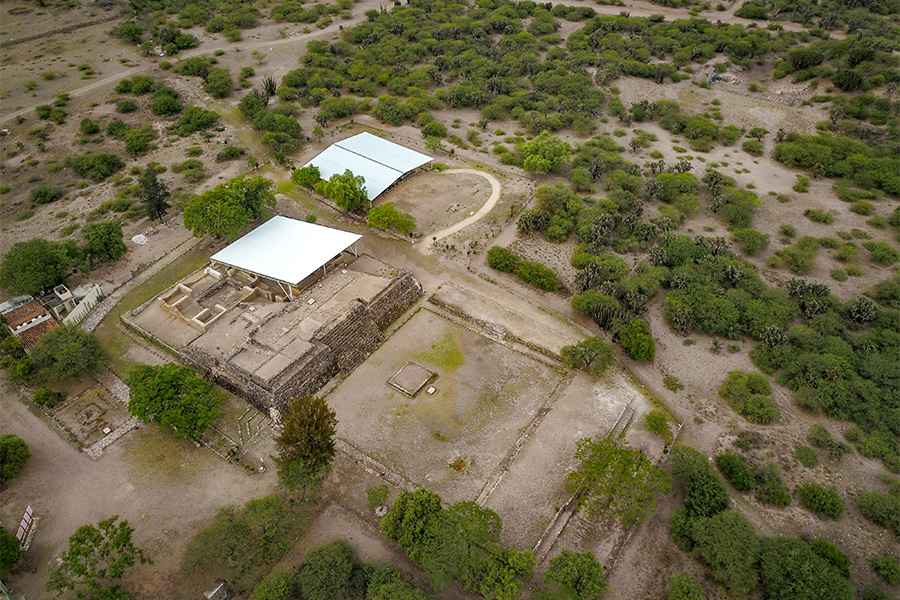
The buildings that are on the edge of the road are what has been explored so far in this archaeological zone. This is only a small part of what was once this great settlement that covered approximately 63.75 hectares. Likewise, there are more than 200 mounds, not counting those that remained under the current town of Tlacolula. The remains of the houses and palaces explored are a small part of the city. The oldest palaces belong to the caciques and priests.
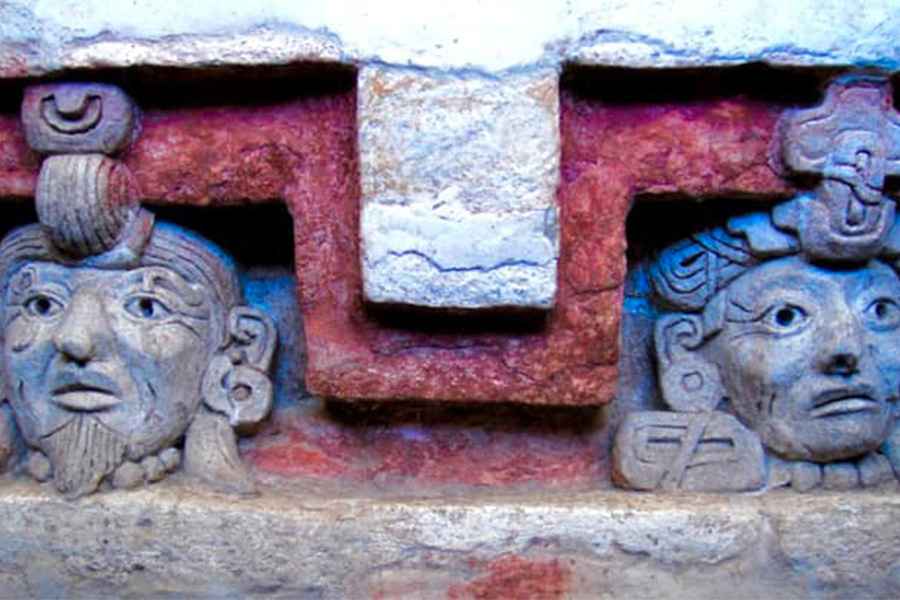
Palace of the Caciques. Located inside the pyramid known as M-195, it has two patios surrounded by four rooms. In one of these courtyards there is an altar in the center where there are two friezes on the side walls, these represent their leaders: a man in a horizontal position (face down), with a beard ending in a point, has ears, wears a maxtlatl and carries in hand a human femur.
The woman, also in the same position as the man, with a Zapotec hairstyle with intertwined bows, with ear ornaments and necklaces with round beads, wears a quechquémitl.
Under the frieze of the altar is the entrance to Tomb No. 6, on whose facade you can see the masks of "Lord I Earthquake" and "Lady 10 Cane", the last leaders of Lambytieco.
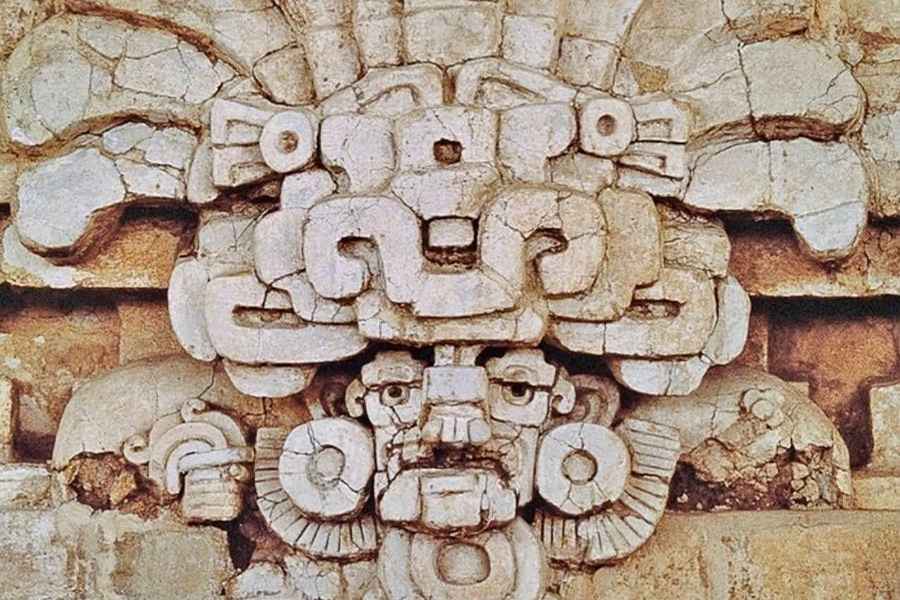
Palace of the Priests. Located behind the pyramid M-195 and on the M-190, there are two stucco sculptures with two huge busts of the Zapotec god of rain "Cocijo", these masks are identical and have ornaments that look like long feather plumes with a glyph in the central part. This is the stylized face of a jaguar; in its hands it takes the power of lightning and wind.
Lambityeco was considered an important city within the Zapotec market for its trade in sea and earth salt called "tequezquite".
Gallery

Location Map


